
Description
Watsonia meriana seeds grow into a cormous geophyte native to the subtropical biome of the south-western Cape Province of South Africa. One of the oldest-named Watsonia species originally described by Linnaeus in the Species Plantarum (1753) and transferred to Watsonia by Miller. Named after Maria Sibylla Merian (16471717), the celebrated German naturalist and scientific illustrator whose work on the insects and plants of Suriname (Metamorphosis Insectorum Surinamensium, 1705) was groundbreaking in combining botanical and entomological observation. Produces vivid orange-red to pink flowers on tall branched scapes. Important note: W. meriana is listed as invasive in parts of Australia (particularly Victoria and South Australia), where it is known as bulbil bugle-lily check local regulations before planting. Family Iridaceae, subfamily Crocoideae.
Full sun; well-drained soils; dry summer dormancy; cool wet winters Mediterranean Cape climate. Check local invasive status in Australia before planting.
- Named after Maria Sibylla Merian (16471717), the great German scientific illustrator-naturalist
- One of the oldest-named Watsonia; originally Linnaeus (1753); transferred by Miller
- SW. Cape Prov. subtropical biome; INVASIVE in parts of Australia check regulations
- Named after Sir William Watson (17151787); Miller (1758); Family Iridaceae (Crocoideae)
- Full sun; well-drained soils; dry summer; Mediterranean Cape; Family Iridaceae
Watsonia meriana honours Maria Sibylla Merian the pioneering German naturalist-illustrator whose 1705 Suriname insect study was one of the most remarkable scientific publications of its era, a Watsonia described by Linnaeus himself and now invasive in Australian states where its bulbils have spread widely.
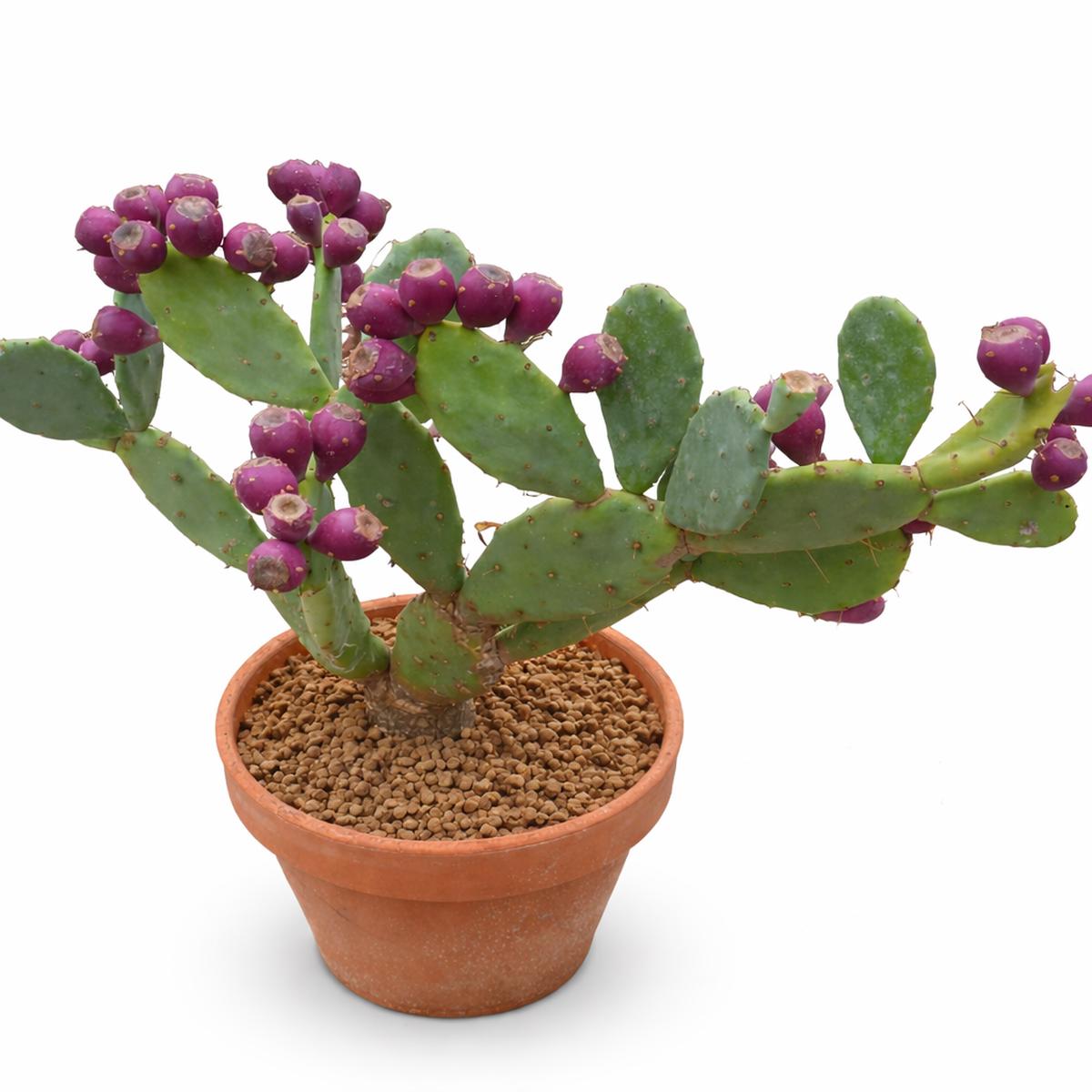
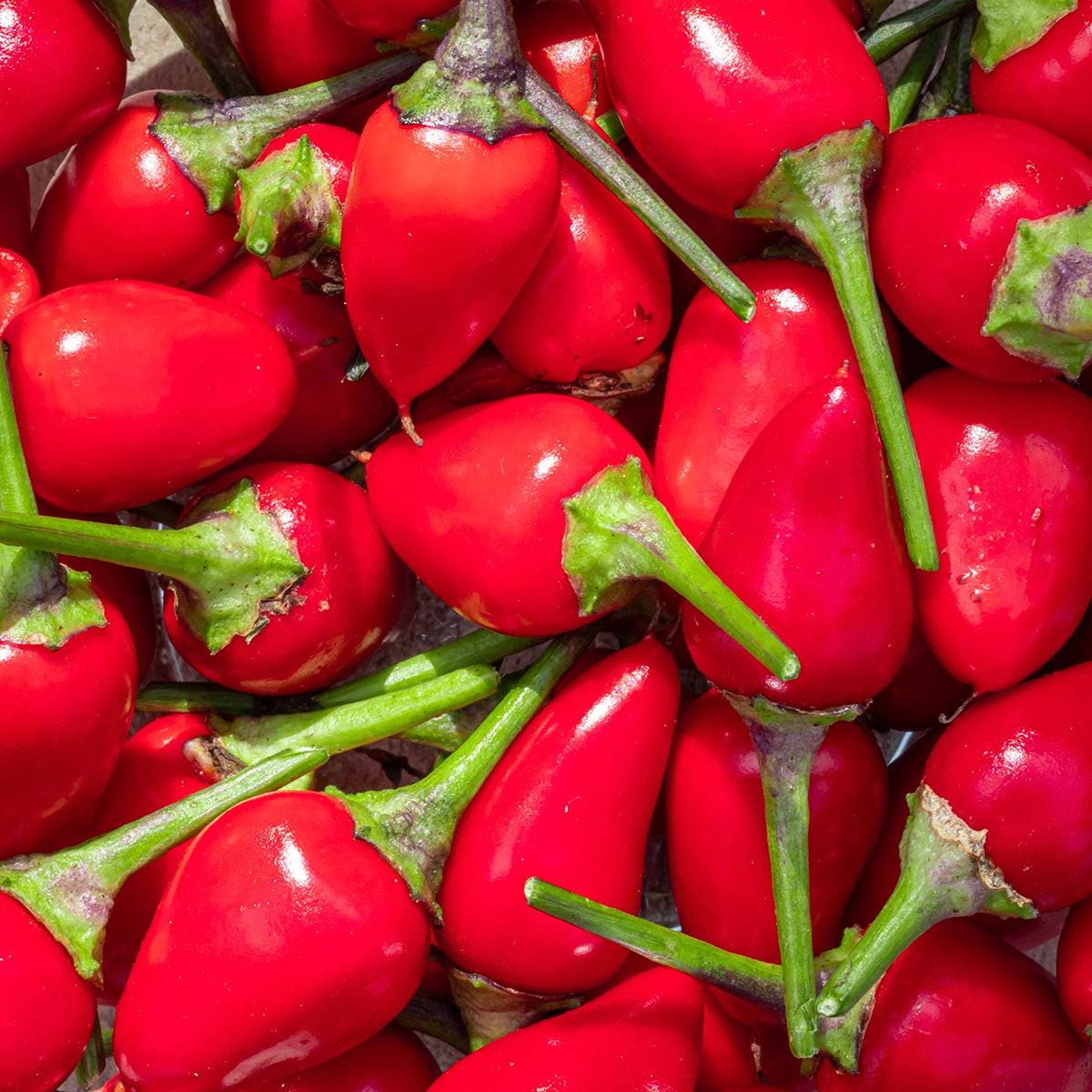
IMPORTANT: Pictures show the adult plant, which is not for sale. The offer is only for seeds.
Reviews
There are no reviews yet.