
Description
Cyrtanthus brachyscyphus seeds grow into a bulbous geophyte native to the subtropical biome from the Eastern Cape Province to KwaZulu-Natal, South Africa. Described by Baker (John Gilbert Baker, 18341920, one of the great Kew botanists). The epithet brachyscyphus derives from the Greek brachys (short) + skyphos (cup), referring to the distinctively short, narrow perianth tube. Synonyms include Cyrtanthus parviflorus Baker and Cyrtanthus rectiflorus Baker. Produces pendant or erect tubular flowers in orange-red shades on a slender scape, above strap-like basal leaves. The genus Cyrtanthus derives its name from the Greek kyrtos (curved) + anthos (flower), referring to the characteristically curved, tubular flowers that are a hallmark of the genus. Named by Aiton (1789). All parts contain toxic Amaryllidaceae alkaloids. Family Amaryllidaceae.
Full sun to partial shade; well-drained soils; warm subtropical conditions of the Eastern Cape and KwaZulu-Natal. All parts toxic do not ingest.
- ‘Brachyscyphus’ = short-cupped; short narrow perianth tube diagnostic character
- Described by Baker (Kew, 18341920); synonyms: C. parviflorus Baker and C. rectiflorus Baker
- E. Cape Prov. to KwaZulu-Natal subtropical biome; South African endemic
- Genus from Greek kyrtos + anthos = curved flower; named Aiton (1789); all parts toxic
- Full sun to partial shade; well-drained soils; warm subtropical; Family Amaryllidaceae
Cyrtanthus brachyscyphus is the short-cupped fire lily a tubular-flowered geophyte of the Eastern Cape and KwaZulu-Natal coast, its short distinctive perianth tube setting it apart within the curved-flower genus Cyrtanthus and making it a collector’s representative of the rich South African Amaryllidaceae flora.
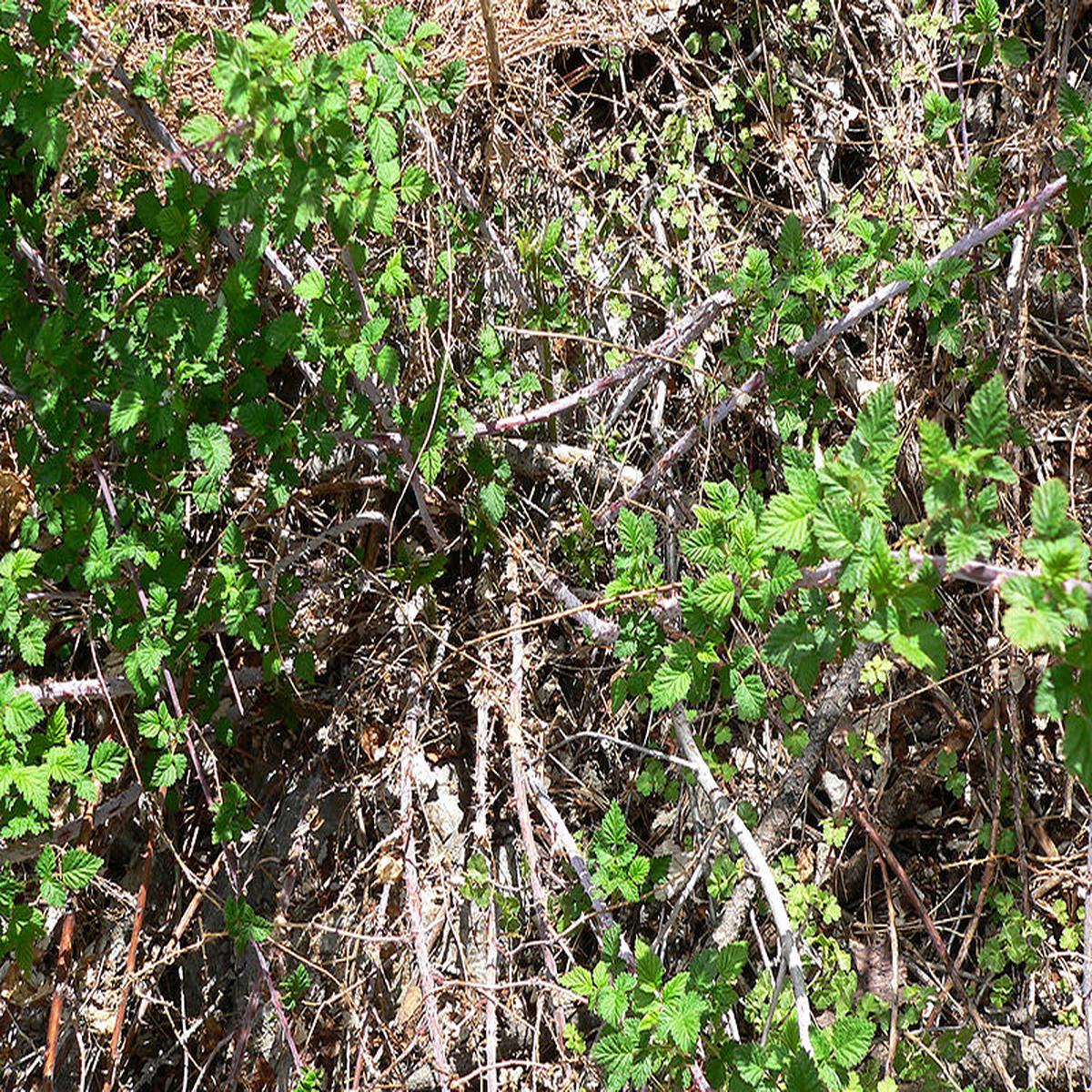
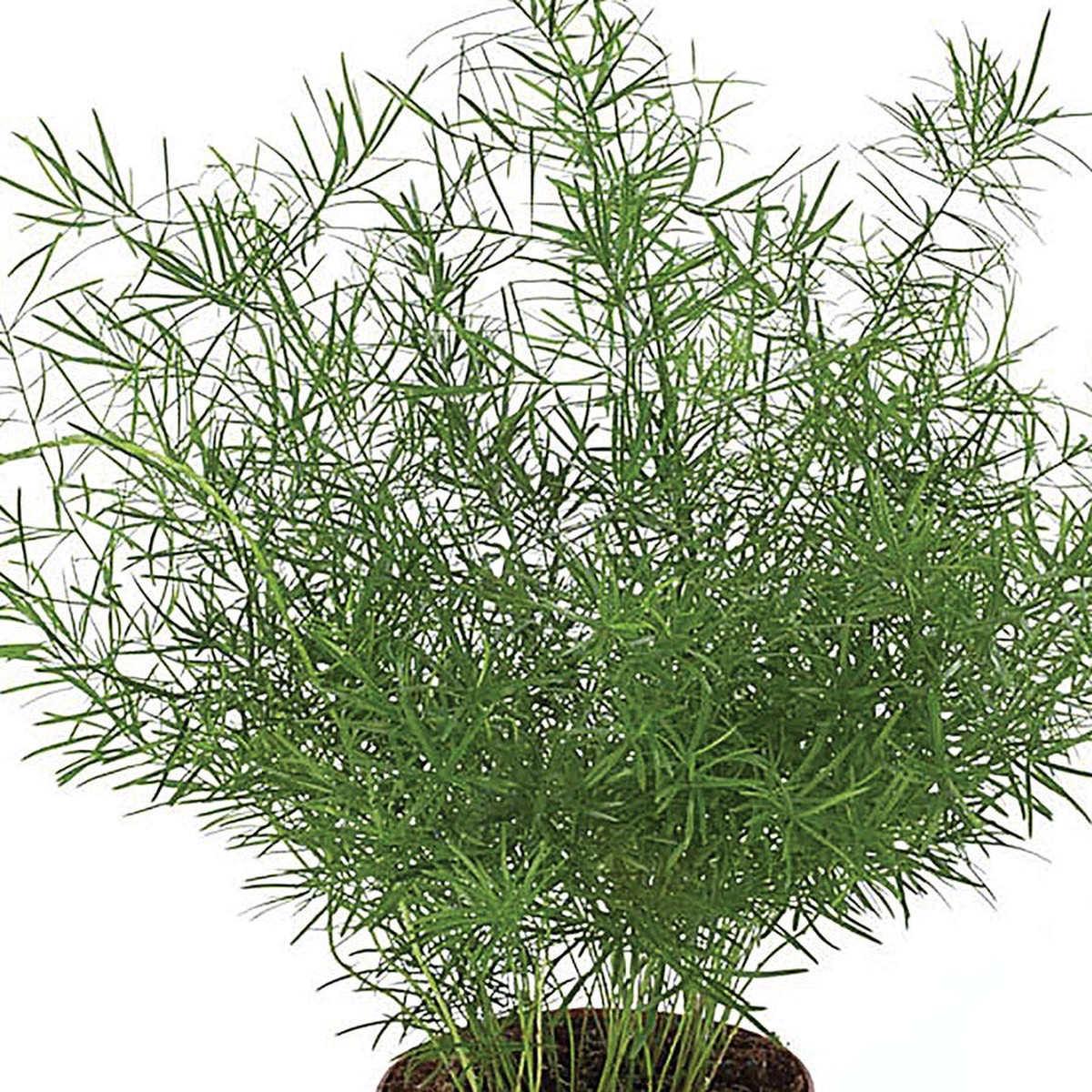
IMPORTANT: Pictures show the adult plant, which is not for sale. The offer is only for seeds.
Reviews
There are no reviews yet.